Choosing between a professional hot water pressure washer and a professional cold water pressure washer depends mainly on the type of dirt and the working environment.
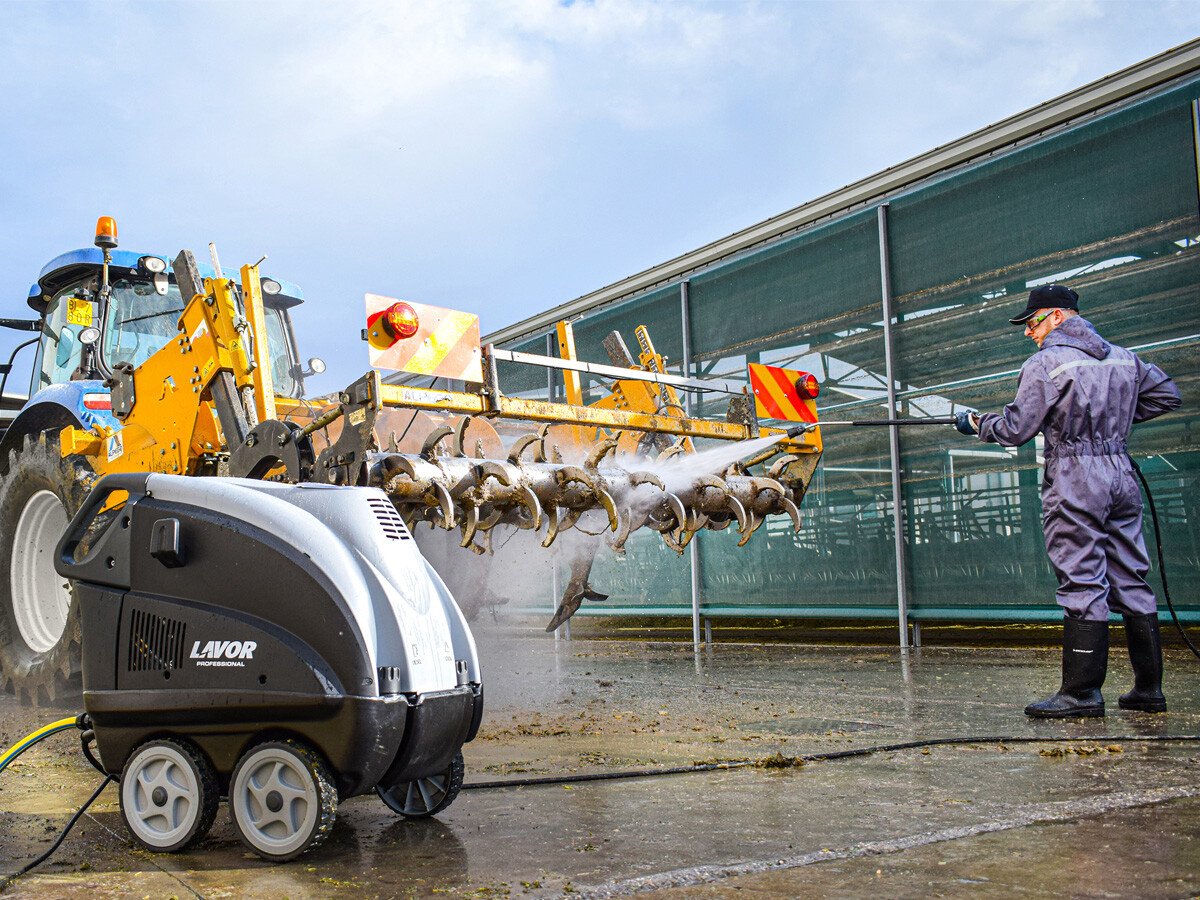
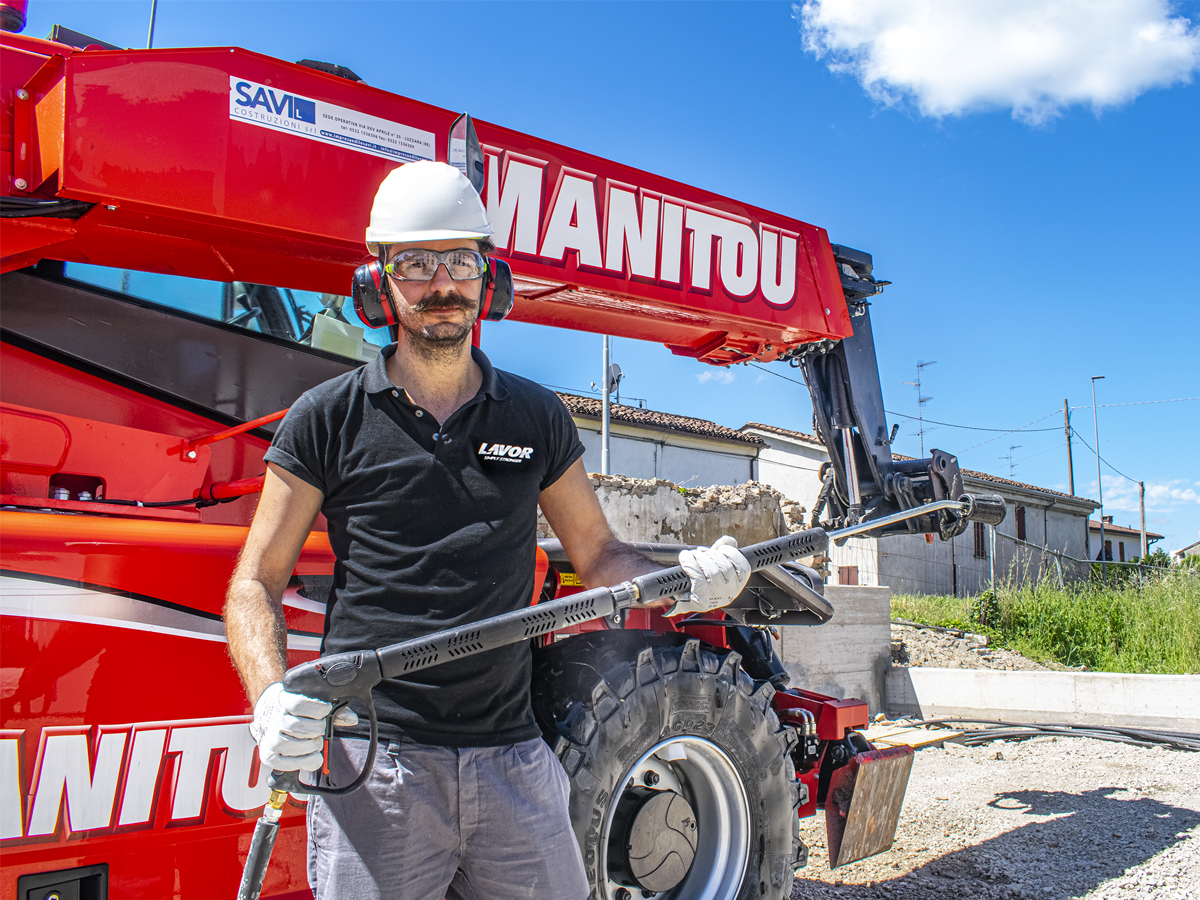
A cold water pressure washer is suitable for removing mud, dust, soil, sand and general dirt from outdoor surfaces, machinery, vehicles and work areas. It is often the right choice for construction sites, farms, warehouses and industrial outdoor areas where the dirt is not oily or greasy.
A hot water pressure washer is more effective when dealing with grease, oil, organic residues and stubborn dirt. Heat helps dissolve dirt faster, making cleaning more efficient and reducing the effort needed during frequent professional use.
You can explore the full professional range here: Lavor professional pressure washers
| Cleaning need | Recommended solution |
|---|---|
| Mud, dust, soil, sand | Cold water pressure washer |
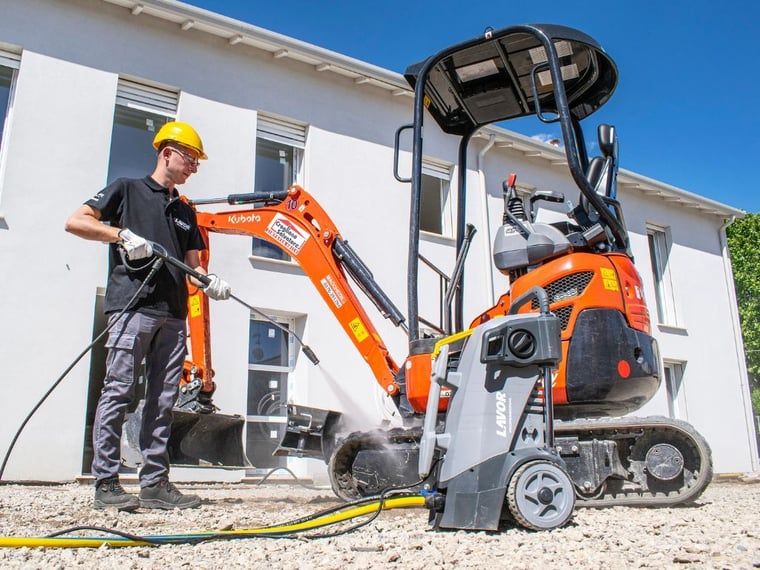
| Construction equipment and site machinery | Cold water pressure washer |
| Outdoor floors, yards and industrial areas | Cold water pressure washer |
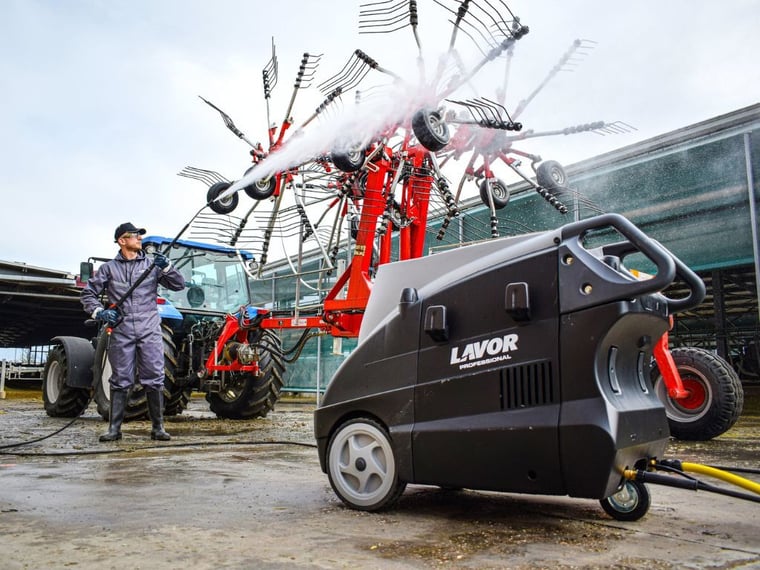
| Agricultural vehicles with soil and plant residues | Cold water or hot water, depending on grease and organic dirt |
| Grease, oil and oily residues | Hot water pressure washer |
| Workshops, garages and mechanical parts | Hot water pressure washer |
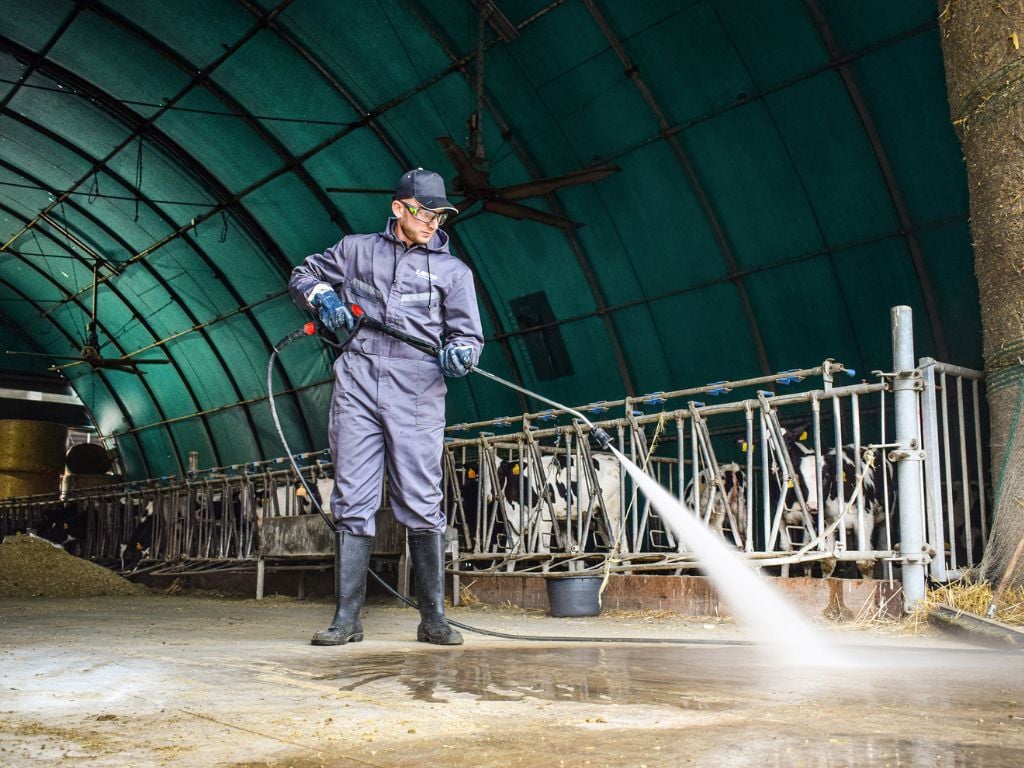
| Farms, stables and livestock areas | Hot water pressure washer |
| Food processing areas and frequent deep cleaning | Hot water pressure washer |
| Heavy-duty cleaning with stubborn dirt | Hot water pressure washer |
Cleaning and costs: which high pressure cleaner to choose?
For those looking for thorough cleaning of outdoor surfaces and excellent value for money, buying a pressure washer is always an advantage.
In choosing the ideal type, various factors need to be assessed, including price, consumption, scope, and the method of use. To effectively analyse the value for money of domestic high pressure cleaners, it is important to consider that:
- the hot water type are more expensive, both to purchase and operate. They are, however, an excellent investment, insofar as essential in environments requiring the regular cleaning of oil, grease, and organic encrustations. In some cases, the use of hot water can improve the efficiency of cleaning by up to 50%. For those who are passionate about cars or motorbikes, or those who own a workshop, or even those who dedicate their time to outdoor works such as gardening or growing fruits and vegetables, a hot water high pressure cleaner is a beneficial long-term solution, amortising the cost of detergents, sanitisers and other products, as well as saving time and effort; it is also possible to use only cold water;
- the cold water type are more affordable, compact, and perfect for outdoor home environments. They are the ideal solution if used on vehicles, walls, outdoor paving, driveways, shutters, plastic garden furniture or special paints which are prone to damage when exposed to heat. They do however use more water and require more time to clean with respect to the hot water version. Moreover, hot water cannot be used in cold water pressure washers: doing so would damage the internal components of the pump, which are not designed to withstand high temperatures.
FAQ
What is the main difference between a hot water and a cold water pressure washer?
The main difference is the water temperature. A cold water pressure washer uses pressure to remove dirt, while a hot water pressure washer combines pressure with heat. This makes hot water more effective on grease, oil and stubborn residues.
When should I choose a cold water professional pressure washer?
Choose a cold water pressure washer when you need to remove mud, soil, dust, sand, plant residues or general dirt from machinery, outdoor floors, vehicles, tools and work areas.
When is a hot water pressure washer better?
A hot water pressure washer is better when the dirt contains grease, oil, organic residues or encrusted material. It is especially useful in workshops, farms, food processing areas, garages and industrial environments where cleaning is frequent and demanding.
Can a hot water pressure washer also be used with cold water?
Yes. In many professional models, the machine can be used without activating the heating system, so it can work with cold water when heat is not needed.
Is cold water enough for construction sites?
In many cases, yes. For removing mud, dust, concrete residues from surfaces, soil and general dirt from equipment or site machinery, a cold water pressure washer can be suitable. If the machinery is also covered with oil, grease or heavy residues, hot water can be more effective.
Which pressure washer is better for farms?
For tractors, tools and outdoor areas with mud or soil, cold water may be enough. For stables, livestock areas, greasy equipment or organic dirt, a hot water pressure washer is usually more effective.
Does hot water reduce cleaning time?
Yes, in many professional applications. Heat helps dissolve grease and stubborn dirt more quickly, so cleaning can be faster and require less manual effort.
Is a hot water pressure washer always the best choice?
Not always. If the dirt is mainly mud, dust or soil, a cold water model can be simpler and more suitable. Hot water is most useful when the cleaning task involves grease, oil, organic dirt or frequent deep cleaning.